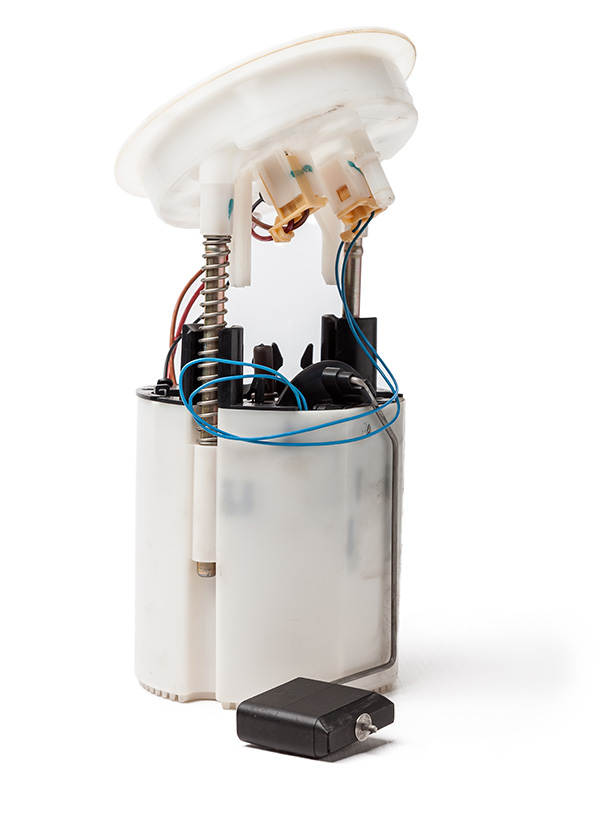
Driving is part of daily life, and it is easy to push small maintenance habits to the side. But driving on empty is one of those habits that can quietly lead to an expensive repair, especially when it comes to your fuel pump.
Your fuel pump is one of the hardest-working parts of your vehicle. It sends fuel from the tank to the engine at the right pressure so your car can start, idle, accelerate, and run smoothly. When the pump is healthy, you probably never think about it. When it starts to fail, your vehicle may hesitate, struggle to start, lose power, or leave you stranded. The problem is that the fuel pump depends on the fuel in your tank for more than just supply. It also needs that fuel to stay cool and properly lubricated.
Why Your Fuel Pump Needs Gas Around It
Most modern vehicles have an electric fuel pump located inside the fuel tank. That design helps the pump stay cooler because it is surrounded by gasoline. As the pump runs, it creates heat. The fuel in the tank helps absorb that heat and keeps the pump from working under extreme temperatures.
When you regularly drive with very little fuel in the tank, the pump has less gasoline around it. That means it may run hotter than it should. Over time, excess heat can wear down the internal parts of the pump. It may not fail right away, but each low-fuel drive can add stress.
Think of it like running a small appliance without enough cooling. It may work for a while, but it is not operating under the conditions it was designed for. Eventually, the extra heat takes a toll.
Low Fuel Can Make the Pump Work Harder
Your fuel pump is designed to pull fuel from the tank and send it toward the engine. When the tank is nearly empty, the pump may have a harder time drawing in a steady flow of fuel, especially when you are turning, braking, climbing hills, or accelerating.
Fuel can slosh away from the pickup area inside the tank. When that happens, the pump may pull in air instead of fuel for a moment. That can cause hesitation, sputtering, or a brief loss of power. Even if the vehicle keeps moving, the pump is being forced to operate in a way that creates extra strain.
If this happens often, the pump can wear out faster. It is not just about running out of gas. It is about making the pump work harder every time the tank gets too low.
Sediment at the Bottom of the Tank Can Become a Problem
Fuel tanks can collect small amounts of dirt, debris, rust particles, and sediment over time. Your fuel filter helps catch contaminants before they reach sensitive engine components, but driving on empty can make the situation worse.
When your tank is very low, the pump is more likely to pull from the bottom area where debris may settle. That does not mean one low tank will automatically destroy your fuel system, but it does increase the chance that unwanted particles can clog the fuel filter, restrict fuel flow, or put added strain on the pump.
Once the filter or pump has to fight through restricted flow, your vehicle may begin showing symptoms such as rough starts, poor acceleration, stalling, or reduced fuel efficiency.
Warning Signs of Fuel Pump Trouble
Fuel pump issues can show up in different ways depending on the vehicle and how far the damage has progressed. Some warning signs are easy to overlook at first because they may come and go.
You may notice:
- Long cranking before the engine starts
- Sputtering or hesitation while driving
- Loss of power when accelerating or climbing hills
- Whining noises from the fuel tank area
- Rough idling
- Stalling
- Poor fuel economy
- A vehicle that will not start
These symptoms do not always mean the fuel pump is the only possible cause. Ignition problems, clogged filters, sensor issues, or other fuel system concerns can feel similar. That is why a proper inspection matters. Guessing can lead to replacing parts that were not actually the problem.
How Low Is Too Low?
A good rule is to avoid letting your tank drop below a quarter full whenever possible. That gives the fuel pump enough fuel around it to help with cooling and gives you a safer buffer in case of traffic, bad weather, road closures, or unexpected errands.
This is especially important in hot weather. Heat already makes your vehicle work harder, and a low fuel level can add extra stress to the pump. It is also smart during winter, since keeping more fuel in the tank can reduce the chance of moisture-related issues and help you avoid getting stuck with too little fuel during a delay.
We know that sometimes life happens and you may need to drive with the gas light on. The occasional low tank is not always a disaster. The real problem is making it a regular habit.
Fuel Pump Repairs Can Be Expensive
One reason we recommend keeping your tank above a quarter full is because fuel pump replacement is usually not a small job. Since the pump is often located inside the tank, replacing it may require lowering the fuel tank or accessing it through a service panel, depending on the vehicle.
That means the cost is not just the part itself. Labor can be a major part of the repair. If a failing pump also causes drivability problems or leaves you stranded, the situation can become even more frustrating. Preventing unnecessary wear is much easier than dealing with a no-start vehicle in a parking lot, driveway, or on the side of the road.
We Can Help If Your Vehicle Is Acting Up
If your car is hard to start, hesitates, sputters, loses power, or seems to struggle when the fuel level is low, do not ignore it. Small World Auto Repair in Eugene, OR can inspect your fuel system, check fuel pressure, look for related issues, and help determine whether the fuel pump, filter, electrical components, or another part is causing the problem.