Posted on 9/25/2026
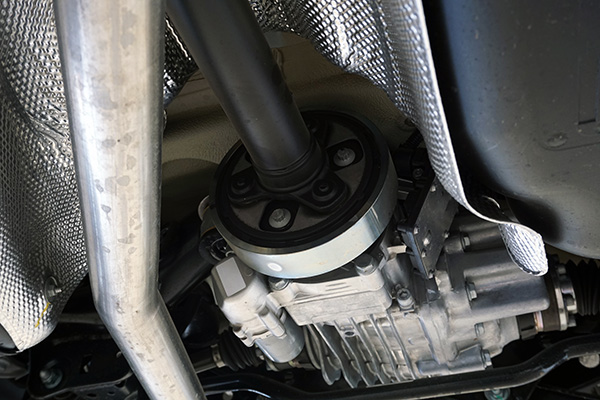
A torn CV boot does not automatically mean the whole axle is bad. Sometimes the boot has just started to split, the grease is still where it belongs, and the joint underneath is quiet and tight. In that situation, saving the original axle can make sense. The decision changes quickly once dirt, water, and road grit get inside. By the time the joint starts clicking in turns or vibrating under acceleration, replacing only the boot may be too late. What matters isn't just the tear itself, but how long it's been open and what condition the CV joint is in now. What Happens After a CV Boot Tears A CV boot keeps grease packed around the constant velocity joint while sealing out contamination. The joint has to transfer engine power while changing angles as the suspension moves and, on the outer joint, as the wheels steer. That grease protects the bearings and machined surfaces inside. Once the boot splits, centrifugal force starts throwing grease outward. You may se ... read more
Posted on 8/28/2026
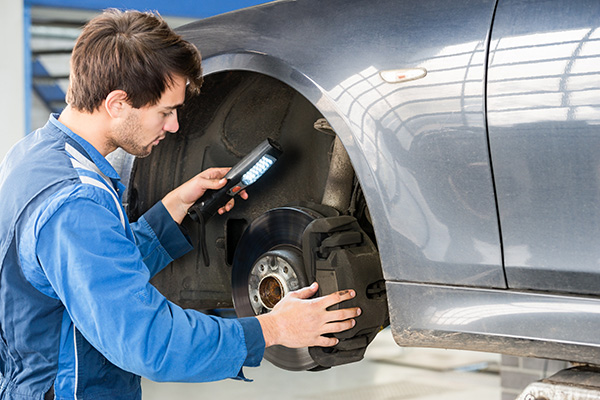
Brake noise can change quickly. A light squeal that was easy to ignore last week can turn into a rough grinding sound every time you slow down. Sometimes the noise shows up all at once, even though the brakes seemed completely normal the day before. When a vehicle comes into our shop with grinding brakes, we do not assume the pads are worn out and stop there. We pay attention to when the noise happens, which wheel it seems to come from, whether the car pulls, and whether one brake is getting hotter than the others. Once the wheels are off, the wear pattern usually gives us a much clearer direction. Worn Brake Pads Can Reach the Rotors One of the most common causes of grinding is a brake pad that has worn through its friction material. Once that material is gone, the metal backing plate starts contacting the rotor. That metal-on-metal contact makes a harsh grinding sound and can damage the rotor very quickly. Deep grooves form in the braking surface, heat increases ... read more
Posted on 7/31/2026
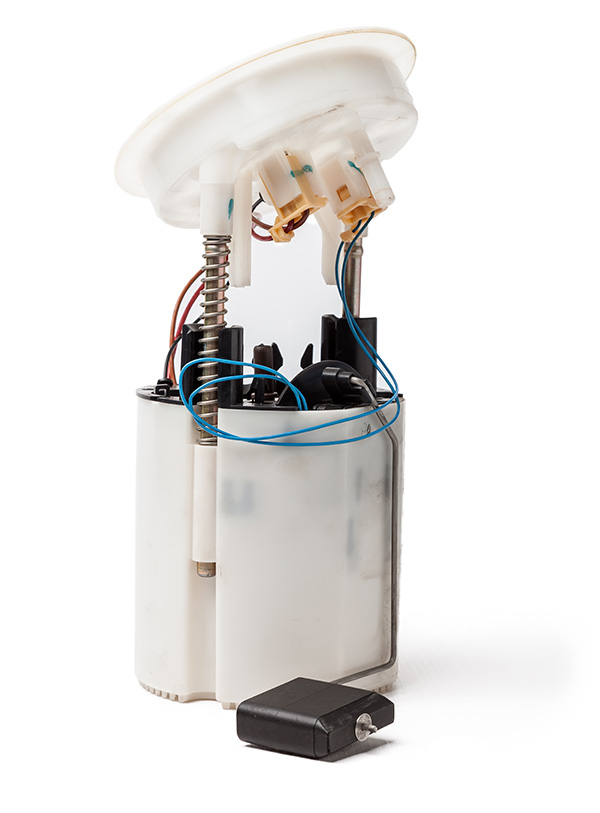
Driving is part of daily life, and it is easy to push small maintenance habits to the side. But driving on empty is one of those habits that can quietly lead to an expensive repair, especially when it comes to your fuel pump. Your fuel pump is one of the hardest-working parts of your vehicle. It sends fuel from the tank to the engine at the right pressure so your car can start, idle, accelerate, and run smoothly. When the pump is healthy, you probably never think about it. When it starts to fail, your vehicle may hesitate, struggle to start, lose power, or leave you stranded. The problem is that the fuel pump depends on the fuel in your tank for more than just supply. It also needs that fuel to stay cool and properly lubricated. Why Your Fuel Pump Needs Gas Around It Most modern vehicles have an electric fuel pump located inside the fuel tank. That design helps the pump stay cooler because it is surrounded by gasoline. As the pump runs, it creates heat. The fuel in ... read more
Posted on 6/26/2026

A lot of drivers assume the dealership is the safest place to bring their car. It feels official. It feels brand-specific. It feels like the default choice, especially for newer vehicles. We understand that. But at our shop, we talk with drivers every day who are frustrated after getting a dealership estimate that feels way higher than expected for what seems like routine maintenance or a fairly normal repair. The truth is, dealership service is often overpriced, and not always because the actual work is better. That part matters. We are not saying dealerships never do good work. Many of them do. But we are saying that drivers often pay a premium for reasons that have more to do with overhead, packaging, and business structure than with getting better value for their vehicle. Once people understand what is really driving those prices, it gets a lot easier to make a smarter choice. For a lot of drivers, that smarter choice is local. You Are Often Paying For The Building, No ... read more
Posted on 5/29/2026

Most car questions do not start in the repair bay. They start at a red light, in a driveway, or halfway through a busy morning when something sounds different, smells hot, or lights up on the dashboard. That is usually when drivers start wondering what can wait and what cannot. Here are 15 common car maintenance and repair questions drivers ask, with clear answers that make the next step easier. 1. How Often Should I Change My Oil? Start with the schedule in your owner’s manual, then adjust it based on how you drive. Short trips, stop-and-go traffic, hills, cold starts, and long idle time can be harder on oil than steady highway miles. Oil level is just as important as the interval. If the engine uses or leaks oil between services, it can run low before the next oil change is due. 2. Why Is My Check Engine Light On? A check engine light can point to misfires, oxygen sensor issues, EVAP leaks, fuel mixture problems, catalytic converter conc ... read more
Posted on 4/30/2026

A check engine light is easy to ignore when the car still feels normal. A flashing check engine light is different. It usually shows up with noticeable changes in how the engine runs, and it is meant to grab your attention right away. Even if the vehicle still moves, something more serious is happening at that moment. Understanding what causes a flashing light helps you react quickly and avoid damage that can get expensive fast. Engine Misfires Are the Most Common Cause A flashing check engine light is most often tied to an engine misfire. That means one or more cylinders are not burning fuel correctly. Instead of smooth combustion, the engine runs unevenly, leading to shaking, hesitation, or loss of power. Misfires can come from worn spark plugs, failing ignition coils, or fuel delivery issues. The system detects this imbalance and triggers a flashing light to warn you that the condition is active. Unburned Fuel Can Damage the Exhaust System Whe ... read more
Posted on 3/27/2026
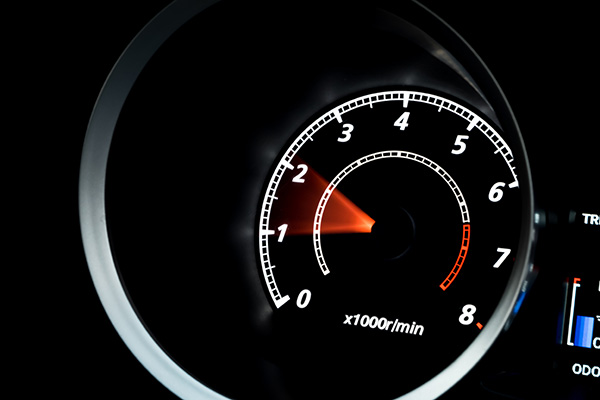
A rough engine idle usually shows up before the rest of the drive gives you much to complain about. The engine starts, shakes a little, stumbles at a stop, or sounds uneven for the first minute or two. Then, once it warms up, the problem seems to fade, and the car feels much closer to normal. That early roughness is usually the first clue that one part of the engine management system is falling behind. Why Cold Starts Expose Small Problems Faster A cold engine needs more precise control than many drivers realize. Fuel delivery, airflow, ignition timing, and idle speed all have to be adjusted differently before the engine reaches normal operating temperature. When one part of that process is weak, the problem shows up immediately during a cold start because the engine has less margin for error. That is why a car may idle poorly when cold and then smooth out later. Once the ... read more
Posted on 2/27/2026
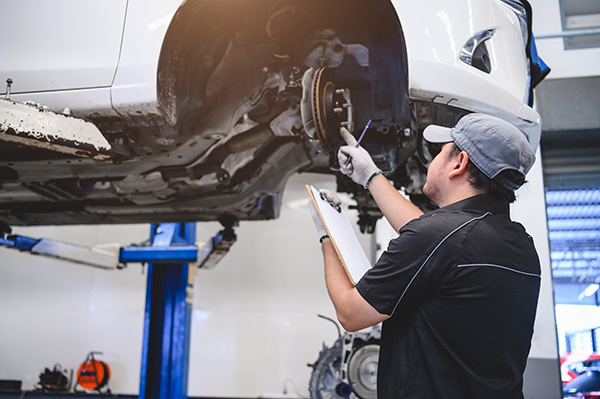
A steering wheel shake when you hit the brakes means something up front is no longer moving evenly. Sometimes it is the brakes themselves, and other times braking is just the moment you feel a suspension or tire problem that has been building for a while. The faster you are going, the more obvious it tends to feel. The key is figuring out whether it is a brake vibration, a wheel issue, or looseness in the front end. When Steering Wheel Shake Points To The Brakes If the shake shows up mainly while braking and fades away when you let off the pedal, the brakes are a prime suspect. Braking squeezes the rotor between the pads, so any unevenness gets transmitted right into the steering wheel. You might feel it as a pulse in the pedal, a wobble in the wheel, or both at the same time. If it only happens after a long drive or a downhill stretch, heat can make the symptom stronger. A rotor that is already uneven can feel much worse once it gets hot. We see this most often af ... read more
Posted on 1/30/2026
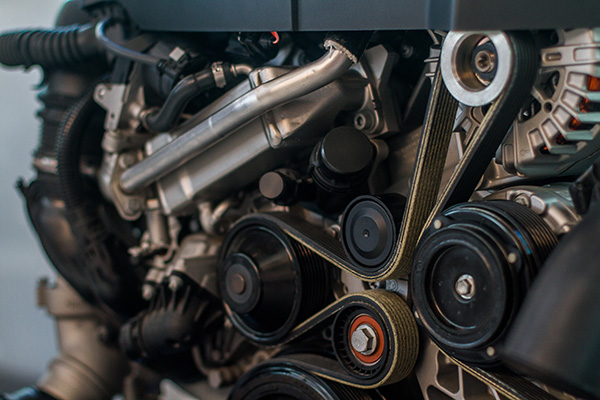
Cars make noises. Most of them are harmless, and you learn to tune them out. The tricky part is when a new sound shows up that does not match anything you have heard before. That is the kind of noise that deserves attention, even if the car still drives fine. Unusual noises are often early warnings. Catch them early, and the repair is usually simpler. Wait too long, and the sound you ignored can turn into a breakdown, a safety issue, or a more expensive fix than it needed to be. Why New Noises Are One Of The Best Early Warnings A car is full of moving parts, and most failures start as a small change, not a sudden collapse. A bearing starts to wear. A belt starts to slip. A mount starts to crack. Your ears often catch that change before the dashboard does. Pay attention to when the noise happens. Is it only on cold starts, only on bumps, only during turns, or only when braking? That timing is one of the fastest ways to narrow the cause and avoid replacing the wrong ... read more