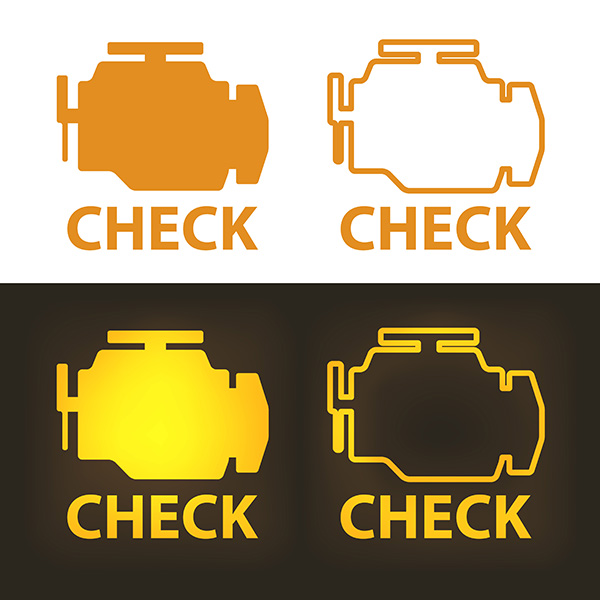
A check engine light is easy to ignore when the car still feels normal. A flashing check engine light is different. It usually shows up with noticeable changes in how the engine runs, and it is meant to grab your attention right away. Even if the vehicle still moves, something more serious is happening at that moment.
Understanding what causes a flashing light helps you react quickly and avoid damage that can get expensive fast.
Engine Misfires Are the Most Common Cause
A flashing check engine light is most often tied to an engine misfire. That means one or more cylinders are not burning fuel correctly. Instead of smooth combustion, the engine runs unevenly, leading to shaking, hesitation, or loss of power.
Misfires can come from worn spark plugs, failing ignition coils, or fuel delivery issues. The system detects this imbalance and triggers a flashing light to warn you that the condition is active.
Unburned Fuel Can Damage the Exhaust System
When a misfire happens, fuel may not burn completely inside the engine. That unburned fuel can travel into the exhaust system, where it creates excessive heat.
The catalytic converter is especially sensitive to this. Too much heat can damage it internally, leading to a much more expensive repair. That is one of the main reasons a flashing light should not be ignored or delayed.
Fuel System Problems Can Trigger the Warning
Fuel delivery issues can also lead to a flashing check engine light. If the engine is not receiving the correct amount of fuel, combustion becomes unstable, and misfires can follow.
Clogged injectors, low fuel pressure, or contamination in the fuel system can all cause this condition. These problems may start small but can escalate quickly if not addressed.
Airflow and Sensor Issues Can Cause Imbalance
Engines rely on accurate sensor data to control the air-fuel mixture. If sensors like the mass airflow sensor or oxygen sensors send incorrect readings, the system may deliver the wrong mixture.
That imbalance can lead to misfires and trigger a flashing light. Since these issues affect how the engine calculates fuel delivery, they can cause inconsistent performance that worsens over time.
Ignition System Wear Shows Up Under Load
Ignition components, such as spark plugs and coils, wear gradually. At first, the engine may run fine under light loads, but as demand increases, misfires can appear.
That is why some drivers notice a flashing light during acceleration or while driving uphill. The added load exposes weaknesses in the ignition system that were not obvious before.
Why You Should Not Keep Driving
Driving with a flashing check engine light increases the risk of damage with every mile. Even short trips can cause additional stress on the engine and exhaust system.
Reducing speed and avoiding heavy acceleration can help limit damage, but the safest option is to have the vehicle inspected as soon as possible. Waiting too long can turn a manageable repair into something much more involved.
How Regular Maintenance Helps Prevent This
Regular maintenance helps reduce the chance of misfires and related issues. Replacing spark plugs on schedule, keeping the fuel system clean, and checking sensors all support stable engine performance.
An inspection during routine service can also catch early signs of wear before they lead to a flashing warning light.
When to Schedule Immediate Service
A flashing check engine light is not something to monitor over time. It is a signal that something is happening right now that needs attention.
If you notice the light flashing, especially along with rough running or loss of power, it is time to schedule service right away. Acting quickly helps protect the engine and keeps repair costs under control.
Get Check Engine Light Service In Eugene, OR, With Small World Auto Repair
If your check engine light is flashing or your engine is running rough, Small World Auto Repair in Eugene, OR, can inspect your vehicle and find the cause before it leads to more serious damage.
Call today to schedule your appointment and address the issue before it becomes a much larger repair.