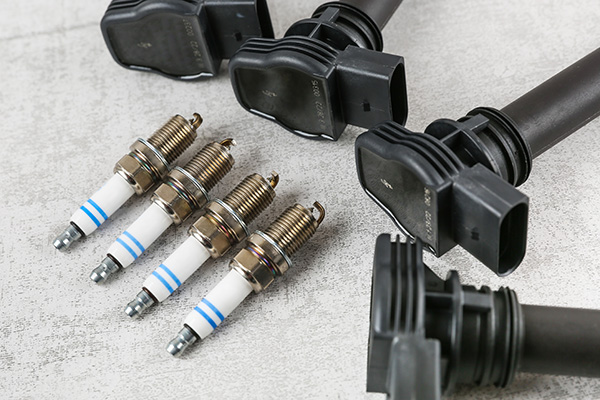
Spark plugs wear a little every time they fire. For a long while, the engine compensates well enough that you barely notice. Eventually, worn electrodes or contamination make ignition less reliable, and the first clue is often a rough start or hesitation under load.
Fuel use sometimes changes too. The effect depends on how the engine is running and what has failed, so replacing plugs should follow the service schedule or test results.
At Small World Auto Repair, we check the ignition system alongside the symptoms. That keeps a plug replacement connected to the engine's actual condition.
How Spark Plugs Wear During Normal Driving
A gasoline engine needs a spark at the right moment to ignite the air-fuel mixture. The spark jumps a small gap between electrodes, and heat, electrical activity, and combustion gradually change those surfaces. As the working edges wear, the ignition system has a harder job creating a reliable spark under demanding conditions. The exact replacement interval depends on the engine and plug design.
Some materials last longer than others, but none makes the plug a lifetime component. Use the required part for your engine. Thread, reach, heat range, and electrode design affect operation. A plug that fits into the hole still has to meet the application requirements.
Hard Starting With Worn Spark Plugs
Starting brings fuel, air, cranking speed, and ignition together. Weak or inconsistent spark complicates that first combustion, especially when another condition has already reduced the engine's starting margin.
You might notice longer cranking or initial shaking. Explain whether the problem appears after overnight parking, after a warm drive, or during both. That pattern helps us separate ignition wear from other starting faults.
A slowly turning engine calls for battery, connection, and starter checks as well. Plugs ignite the mixture once the engine turns; replacing them won't fix a starter that lacks power.
Follow the owner's manual's cranking limits. Repeated long attempts drain the battery and heat the starter while the original engine problem remains.
Spark Plug Misfires and Fuel Consumption
A misfire means a cylinder fails to contribute its expected combustion. Ignition faults are one cause, along with fuel delivery, unwanted air entry, and mechanical problems.
When combustion becomes unreliable, the driver often presses the accelerator farther to obtain the same response. Fuel that fails to burn properly also reaches the exhaust, where it threatens the catalytic converter. Engine control responses vary by vehicle and fault, so fuel-economy changes aren't identical in every case.
Compare several fill-ups if consumption has changed consistently. Record gallons added and miles traveled rather than relying only on the dashboard's range estimate. Traffic, weather, tire pressure, and driving conditions affect the comparison too.
A flashing check engine light with rough running means you should stop safely and arrange help. Continuing through a severe misfire risks a larger exhaust-system repair.
Hesitation During Acceleration
An ignition weakness often becomes more noticeable when the engine is working harder. The car feels smooth at a light cruise but stumbles when climbing a hill or pulling away with passengers aboard. That symptom gives the test a direction. We review plugs, coils, boots, and wiring where fitted, then check fuel and air operation when the findings point there. Different causes need different repairs.
Around Eugene, describe whether the hesitation appears only when cold, on a particular climb, or after a longer drive. Reproducing the same engine load is more revealing than revving a parked car and assuming the problem has disappeared.
Oil, Fuel, and Deposits on Spark Plugs
A plug sometimes fails because another problem contaminated it. Oil entering a plug well or combustion chamber, excess fuel, and deposits change how the plug works.
Inspection connects that appearance to the rest of the engine. A worn-out plug replaced on schedule differs from one damaged by an unresolved leak or combustion problem. The repair should address the source of contamination as well as the ignition part.
Bring the history of oil top-offs, coolant loss, or recent engine work. Those details help explain why one cylinder's plug looks different from the others. Simply fitting another set and leaving the cause untouched risks repeating the symptom.
Signs Your Spark Plugs Need a Review
Discuss ignition service if you've noticed:
- Longer cranking before the engine starts
- Shaking or uneven idle
- Hesitation under acceleration
- A check engine light or recorded misfire
- Consistently higher fuel use
- A replacement interval that has passed
- Missing records of the last plug service
Several symptoms together strengthen the reason for a full engine-performance check. They still need to be connected to the component that is actually failing.
Spark Plug Replacement and Future Service Planning
Plug service follows the engine's access and installation procedures. On some vehicles, surrounding parts have to be removed. The correct tightening method protects threads and keeps the plug seated properly.
Coils and wires aren't automatically replaced at every plug service. Their condition and test results guide whether they need work. Boots, connections, and contamination around the plugs also need an inspection during installation.
We check engine operation after the job. A load-related complaint needs more than a smooth idle in the shop; the final checks should reproduce the operating conditions that caused it.
Review the manufacturer interval for your model and engine, then record the completed date and mileage. A general mileage rule from another car shouldn't override that schedule.
If service history is missing, we can inspect the engine and help establish what is due. Keep future invoices so maintenance planning doesn't depend on remembering whether the last tune-up included plugs or only another ignition component.
Address new running changes early. A minor hesitation is easier to investigate before the car develops a severe misfire or leaves you with a difficult start.
Spark Plug and Ignition Service at Small World Auto Repair
Small World Auto Repair in Eugene, OR, can inspect hard starting, misfires, hesitation, and changing fuel use. Bring your service records and describe when the symptoms appear so we can review plug condition and the rest of the ignition system.
Call Small World Auto Repair to schedule spark plug service or engine performance testing for your vehicle.