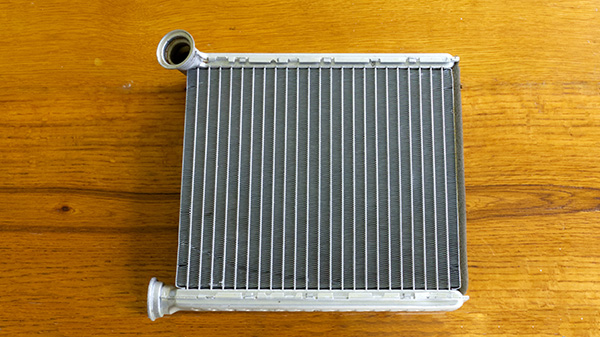
Hidden behind the dashboard, the heater core looks like a small radiator. Hot engine coolant flows through tiny passages in the core while a fan blows air across the fins. That warm air is what you feel coming out of the vents when you turn the heat on. It also feeds the defrost setting, which clears moisture and fog from the windshield on cold or wet days.
When everything is healthy, you get steady cabin heat, reliable defrost, and no smells or dampness inside. Once the heater core starts to clog, leak, or corrode, you can lose heat, fog up constantly, or even end up with coolant inside the cabin instead of under the hood.
Classic Signs Your Heater Core Is Failing
Heater core problems tend to show up in a few familiar ways. If you are noticing more than one of these, it is worth paying attention:
- Weak or no heat from the vents, even when the engine is fully warmed up
- A sweet, antifreeze-like smell inside the cabin
- Foggy windows that are hard to clear and come back quickly
- Damp carpets, especially on the passenger side
- A visible drop in coolant level with no obvious leak in the engine bay
In more advanced cases, you might even see a light mist on the windshield when the fan is on, or find sticky residue on the inside of the glass. Our technicians take those symptoms seriously because they point toward coolant escaping where it should not.
Why Heater Core Problems Are More Than Just “No Heat”
It is easy to think of the heater as a comfort feature, but the heater core is part of the cooling system. When it leaks, coolant level drops and air pockets can form, which makes it harder for the engine to control its temperature. If the leak is severe enough, you can end up with an overheating problem along with the loss of cabin heat.
There is also a safety side. If your defroster relies on a heater core that is partially clogged or leaking, your windshield may never clear fully in cold or wet weather. You might find yourself constantly wiping the inside of the glass while driving, which is not a situation you want in traffic or at night. From our point of view, a badly leaking heater core is both a comfort issue and a visibility issue.
Can Heater Core Leaks Be Repaired, Or Is Replacement The Only Option?
Many drivers ask if we can “just seal it up” rather than replace the core. There are stop-leak products on parts store shelves, and they sometimes appear to help for a short time. The problem is that those sealants can also clog small coolant passages, heater core tubes, and even radiator channels. You may get temporary relief, but you are often trading one problem for several others.
Small seeps can occasionally be monitored for a while if they are not affecting the coolant level or soaking the carpet yet. Once a core is leaking enough to fog windows, dampen the interior, or require frequent coolant top-offs, replacement is usually the only solid, long-term fix. We generally do not recommend pouring anything into the cooling system that might compromise the rest of the components just to delay the inevitable.
What To Expect During A Heater Core Replacement
Heater core replacement is not like swapping a hose under the hood. In most vehicles, the core is buried inside the HVAC box behind the dash. Getting to it often means removing a good portion of the dashboard, steering column covers, and various trim pieces. That is why the job is more labor intensive than many other coolant-related repairs.
Once the heater box is accessible, the old core is disconnected from its coolant lines, removed, and the housing is inspected for any damage or contamination. The new core is installed, seals and fittings are checked, and the box goes back together. After that, the cooling system is refilled and bled of air. We like to run the engine up to temperature, verify good heat output, check for leaks, and make sure all dash controls and vents are working correctly before we call it finished.
How To Help Your New Heater Core Last Longer
A new heater core should not feel like a short-term bandage. A few habits and maintenance steps can help it stay healthy:
- Keep coolant changes on schedule so corrosion inhibitors stay fresh. Old coolant is hard on aluminum cores and small passages.
- Fix cooling system problems early. Running low on coolant, ignoring small leaks, or driving with an overheating issue can stress the heater core along with the radiator.
- Avoid dumping sealants or “quick fix” powders into the system. They often settle in the smallest passages first, and the heater core is full of small passages.
If you ever notice the familiar sweet smell again, or see foggy windows starting to return after you have had a core replaced, it is worth calling sooner rather than waiting for it to get as bad as last time. We have seen many situations where catching a small issue early turns a major job into a minor visit.
Get Heater Core Replacement in Eugene, OR with Small World Auto Repair
If your heat has gone cold, your windows fog constantly, or the cabin smells like coolant, your heater core is likely asking for attention. We can confirm the source of the problem, talk you through the repair, and replace the core so you have reliable heat and clear glass again.
Schedule heater core replacement in Eugene, OR with Small World Auto Repair, and we will help keep both you and your engine comfortable through the cold months.